What Tsetse Flies Are and Why Bites Matter
Tsetse flies are stocky, brown flies found across parts of sub-Saharan Africa. This guide covers tsetse fly bites prevention safari steps for Kenya: what to wear, what actually repels them, and where the real risk sits. They look a bit like large houseflies, but they fold their wings flat like a pair of scissors when resting. That is the easiest way to tell them apart from the flies buzzing around your lodge breakfast table.
Their bite is sharp, more like a hot needle than a mosquito nip. Most bites just leave a red, itchy welt that fades in a few days. The bigger concern, and the reason this topic gets so much attention online, is that tsetse flies can carry the parasite that causes African trypanosomiasis, known as sleeping sickness. That risk is real in some places. It is not evenly spread across Kenya, and for most safari itineraries it barely applies at all.
Sleeping Sickness Risk: How Real Is It for Tourists?
Here is the honest picture. Kenya’s confirmed human sleeping sickness cases cluster in a narrow belt near Lake Victoria, in Busia and Nyanza counties, tied to the Lambwe Valley and Ruma National Park. Tourist numbers in that zone are small, and cases in travelers on standard safari routes are rare enough that Kenya’s major operators do not build itineraries around it.
Contrast that with Maasai Mara National Reserve and Amboseli National Park, the two parks most first-time visitors book. Both sit on open grassland, both run entirely vehicle-based game drives, and both report very low tsetse activity. If your trip covers the Mara, Amboseli, Lake Nakuru, or the northern circuit around Samburu, you can relax about sleeping sickness specifically. It is worth understanding the risk, not worth losing sleep over before you fly.
Why Colour and Fabric Attract or Repel Tsetse Flies
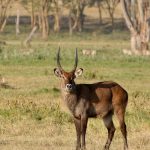
Tsetse flies hunt by sight more than by scent, at least at first. Research on tsetse behaviour, much of it done on their close relatives in Zimbabwe and Zambia, shows they are drawn strongly to dark, saturated colours, especially navy blue and black. Blue in particular seems to mimic the shadows and shapes they associate with the large animals they normally feed on, buffalo, waterbuck, and cattle.
Bright white and very light colours are not perfect either. They can make you stand out in open country. The sweet spot is a mid-tone neutral, khaki, sand, stone, or light olive, that blends into dry grass and does not carry the deep contrast that pulls tsetse flies in from a distance.
What to Wear: Colours, Fabric, and Coverage
Pack for tsetse flies the same way you pack for sun and dust. Choose khaki, beige, or olive as your base colours and leave the navy, black, and bright royal blue at home. A few practical notes from guides who deal with this daily:
- Long sleeves and long trousers beat shorts and T-shirts, even in heat. Tsetse flies can bite through thin cotton, so a lightweight, tightly woven fabric like ripstop cotton or a technical safari shirt gives real protection.
- Denim is not a shield. Jeans are thick enough to blunt some bites, but tsetse mouthparts can still get through worn or stretched patches, and jeans are heavy and hot for a midday game drive.
- Save one long-sleeved khaki layer for afternoon drives near riverine bush, where tsetse flies concentrate more than on open plains.
For a full rundown on layering, footwear, and dust protection, see our guide on what to pack for your first game drive.
Tsetse Fly Bites Prevention Safari: Repellents and Treated Gear That Work
DEET-based repellent helps against mosquitoes far more reliably than against tsetse flies. Tsetse flies are tougher and less put off by scent, so do not expect a spray-on repellent to solve the problem on its own. It is still worth applying a 20 to 30 percent DEET lotion for the mosquito and tick protection it does offer.
Permethrin-treated clothing makes a bigger difference. Treating your outer shirt and trousers, or buying pre-treated safari wear, adds a contact insecticide layer that discourages tsetse flies from landing at all. A few Mara and Amboseli camps now stock permethrin-treated field shirts for guests, and some issue simple flyswatters in the vehicle, a low-tech but genuinely useful backup on the rare drive where tsetse flies show up in numbers.
Where Tsetse Flies Concentrate in Kenya
Risk is not uniform, and elevation matters more than most travelers expect. Tsetse flies struggle above roughly 2,000 metres and thrive in warm, wooded river valleys below that line.
| Park or Region | Tsetse Fly Risk | Elevation | Drive Time from Nairobi | Non-Resident Park Fee |
|---|---|---|---|---|
| Masai Mara National Reserve | Low | 1,500-2,100m | 5-6 hrs by road, 45 min by air | USD 100/day (Jan-Jun), USD 200/day (Jul-Dec) |
| Amboseli National Park | Low | approx. 1,150m | 4 hrs by road | USD 90/day |
| Tsavo East / Tsavo West | Low to moderate | 200-1,000m | 4-5 hrs by road | USD 80/day |
| Lake Nakuru National Park | Low | 1,760-2,073m | 2.5-3 hrs by road | USD 90/day |
| Chyulu Hills National Park | Low | 1,800-2,150m | 4-5 hrs by road | USD 40/day |
| Ruma National Park / Lambwe Valley, Nyanza | Moderate to high | 1,200-1,400m | 6-7 hrs by road (via Kisumu) | indicative USD 30-40/day, confirm locally |
The Mara fee is set by the Narok County Government, not the Kenya Wildlife Service, since the Mara is a county-run reserve rather than a national park. That table row is the clearest evidence for the pattern worth remembering: the parks on Kenya’s classic first safari circuit sit at higher elevation and carry low tsetse risk, while the real hotspot sits far to the west, near the Lake Victoria region, where the real sleeping sickness risk sits.
Vehicle and Camp Behaviour
Tsetse flies are attracted to moving vehicles, oddly enough, more than to people standing still. They can follow a dusty Land Cruiser for a short distance before giving up. Guides manage this by keeping windows up through known thicket patches and slowing down rather than speeding up when a fly gets into the cabin, since sudden swatting motions and panic tend to provoke more bites, not fewer.
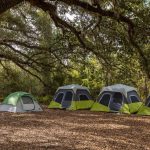
At camp, look for tents with fine-mesh screens on windows and doors, standard at most mid-range and upmarket Mara and Amboseli properties. Avoid lingering near dense bush at midday, when tsetse flies are most active, and shift your seat if you notice one circling. It is also worth asking your guide directly. Rangers and drivers know their sector well, so it pays to ask your guide about local tsetse hotspots before a bush walk or a stop for photographs near riverine woodland.
Bite Treatment and Aftercare
A tsetse bite looks like a small, raised, red bump with a sharp centre point, usually more painful in the first minute than a mosquito bite and less itchy afterward. Clean the area with soap and water, apply a cold compress if it is swelling, and use an antihistamine cream if it itches later.
Watch for a fever that develops one to three weeks after a bite in a known risk area, particularly if you spent time near Lake Victoria or in a park with confirmed tsetse activity. That combination warrants a doctor’s visit and a mention of your travel history. For guests on standard Mara or Amboseli itineraries, this sequence is extremely unlikely to come up at all.
The SafariPure Difference
We do not send first-time travelers into the Mara or Amboseli expecting a tsetse fly problem, because the data does not support it. What we do is brief every guest honestly before departure: which sectors of which parks carry any real tsetse presence, what to pack in neutral tones as a sensible precaution, and which of our partner camps stock permethrin-treated shirts or in-vehicle flyswatters as standard.
That is the same approach we take with every safety question on safari, from malaria zones to river crossings. Give you the real numbers, name the actual places, and let you make an informed choice rather than a fearful one.
FAQ
What colours should I avoid wearing on safari because of tsetse flies? Avoid navy blue and black. Both strongly attract tsetse flies. Stick to khaki, sand, and light olive.
Do tsetse flies bite through clothing, including jeans? They can bite through thin fabric. Denim offers partial protection but is heavy for game drives. A tightly woven safari shirt works better.
Is DEET effective against tsetse flies? Only partially. DEET helps more against mosquitoes. Permethrin-treated clothing is more effective against tsetse flies specifically.
Are tsetse flies dangerous, or do they carry sleeping sickness? Some do carry the sleeping sickness parasite, but confirmed Kenyan cases cluster near Lake Victoria, far from the main safari circuit.
Is the Maasai Mara safe from tsetse flies? Yes, largely. The Mara’s elevation and open grassland keep tsetse numbers very low, and drives stay vehicle-based.
Where in Kenya do tsetse flies and sleeping sickness actually occur? Mostly in the Lambwe Valley and around Ruma National Park in Nyanza, near Lake Victoria, not in the Mara, Amboseli, or Tsavo.
Should I cancel or worry about my safari because of tsetse flies? No. For standard Mara and Amboseli itineraries, this is a minor packing consideration, not a safety concern.
What does a tsetse bite look like, and how do I treat it? A sharp, raised red bump. Clean it, cool it, and use antihistamine cream if it itches. Watch for fever weeks later if you visited a risk zone.
Why do tsetse flies like blue and black specifically? Their vision responds strongly to dark, high-contrast colours, which resemble the large animals they usually feed on.
Do closed safari vehicles keep tsetse flies out? Mostly, yes, if windows stay up through thicket patches. A few flies can still get in and ride along briefly.
What is the best repellent or treated clothing for tsetse flies? Permethrin-treated shirts and trousers, paired with neutral colours and long sleeves, give the most reliable protection.
Plan Your Trip With SafariPure
Tsetse flies are a footnote on most Kenya safaris, not a headline. If you would rather have a guide walk you through the real risks, the right packing list, and a route built around Maasai Mara, Amboseli, or wherever suits your time and budget, browse our safari tours or get in touch to start planning.